You don’t need to speak Maltese to travel around Malta. English will get you remarkably far. But where’s the fun in travelling somewhere without learning at least a few words?
I’m not suggesting you spend the flight memorising verb conjugations. This is a holiday, not a language exam. But learning how to say good morning, thank you or please does something surprisingly important. It makes you listen.
And Malta is a particularly interesting place to listen to.
Start with the essentials
YOUR MALTESE STARTER PACK
9 little words to make Malta feel less foreign
| Bonġu Grazzi Jekk jogħġbok Skużani Saħħa Merħba Triq Iva Le | Good morning Thank you Please Excuse me / Sorry Goodbye / Cheers Welcome Street Yes No |
You don’t need fifty phrases. Honestly, start with five.
- Bonġu — Good morning = a simple one, and probably one of the first Maltese greetings you’ll notice.
- Grazzi — Thank you = Italian speakers will feel suspiciously comfortable with this one.
- Jekk jogħġbok — Please = suddenly things become considerably more Maltese-looking. Those letters that seemed slightly intimidating when you first arrived start becoming familiar.
- Skużani — Excuse me / Sorry = useful when trying to get someone’s attention, apologising or navigating your way through a busy place.
- Saħħa — Goodbye / Cheers = you’ll come across saħħa in different social contexts, including as a way of saying goodbye or expressing good wishes.
Words you’ll start seeing everywhere
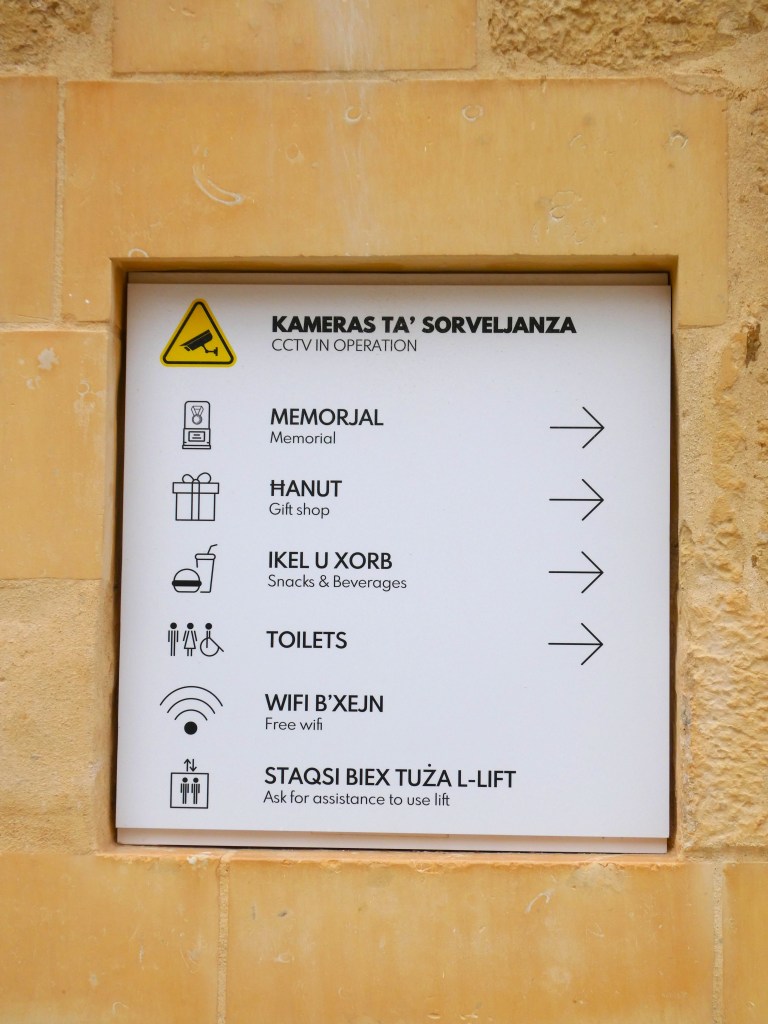
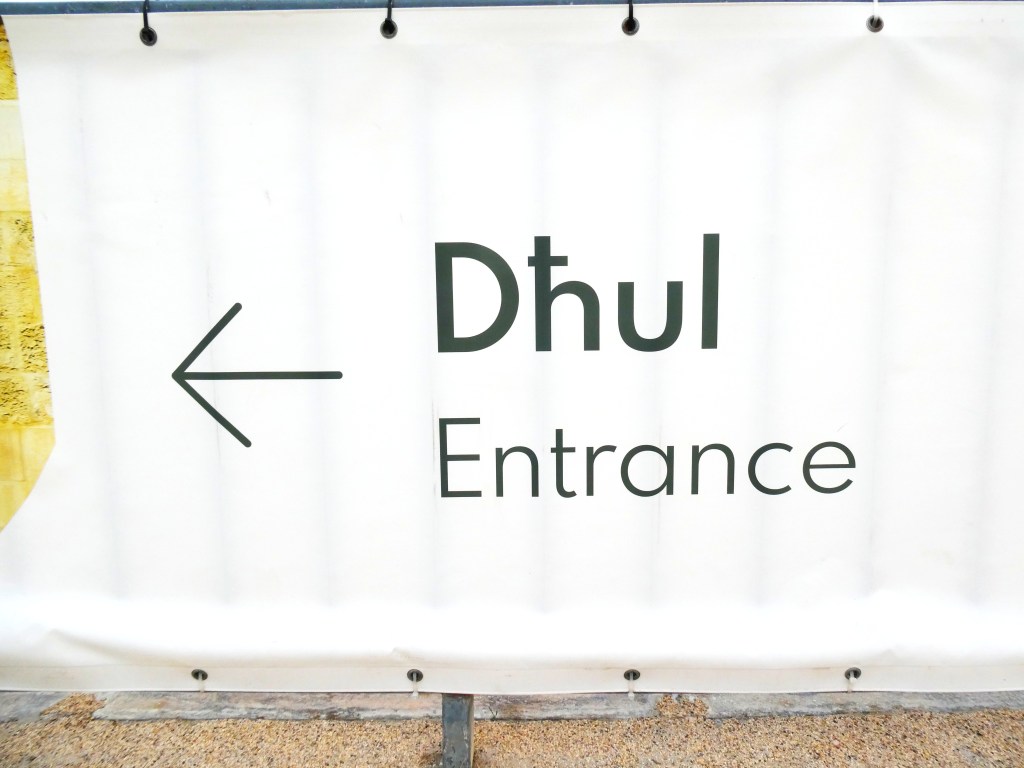
Some Maltese is useful even if you never actually say it.
Triq — Street = once you know this word, suddenly half the street signs in Malta make a little more sense.
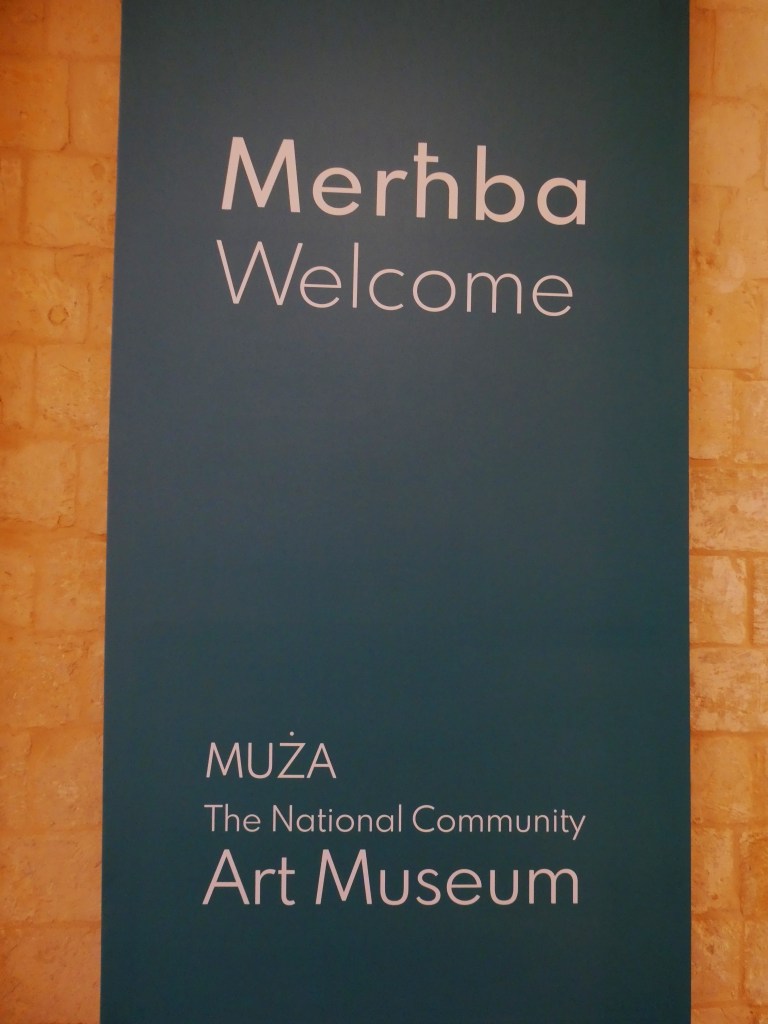
Merħba — Welcome = you’ll see this one too, and it’s a lovely word to recognise because it immediately reveals something about Maltese. If you know some Arabic, merħba might already look familiar.
At a café, restaurant or shop
Now, realistically, you’ll probably order in English. But you can still sprinkle a little Maltese into the interaction.
Start with a bonġu.
Add a jekk jogħġbok.
Finish with grazzi.
Congratulations. You haven’t exactly become fluent, but you’ve made an effort to interact with the place you’re visiting rather than treating language as background noise.
And that’s enough.
If you’re feeling adventurous, learning a few situational phrases — asking how much something costs, where something is or simply saying yes and no — can turn an ordinary interaction into a tiny language lesson.
You don’t have to pronounce everything perfectly
This is important. Maltese has sounds and letter combinations that may be unfamiliar, particularly if your linguistic comfort zone is mostly Romance or Germanic languages.
You will probably see għ and wonder what exactly you’re supposed to do with it. You may attempt it. You may reconsider your life choices.
That’s fine.
The goal isn’t to sound Maltese after three days. The goal is to notice the language, try something new and perhaps make someone smile because you made the effort. Communication has never required perfection.
Listen to a place, not just look at it
Malta taught me something I want to remember for future trips. We spend so much time looking at destinations. We photograph buildings. Landscapes. Food. Street corners. Sunsets.
But places have a language too. And sometimes listening to it tells you things that no viewpoint ever could.
Maltese carries centuries of cultural encounters inside everyday conversations. The history you see in Valletta’s architecture is, in a way, the same history you can hear in its language.
And once you recognise even a handful of words, something changes. Signs stop looking completely mysterious. You begin listening differently. You notice patterns. You start wondering where words came from.
So next time you’re walking through Malta, look at the signs. Listen to the conversations around you. Say bonġu. Try jekk jogħġbok. Attempt għ. Fail. Try again. Because sometimes the most interesting souvenir you can bring home isn’t something you bought.
It’s a word you didn’t know before.


Leave a Reply